The Importance of SysOps Delivery Model in Enterprise Technology
As businesses continue to integrate technology into their operations, the role of SysOps professionals has become increasingly vital. SysOps, short for Systems Operations, are the superheroes of the technology world, responsible for ensuring that all computer systems and networks within an organisation are functioning efficiently and securely. They play a crucial role in maintaining the overall health of an organisation’s technology infrastructure, ensuring that it runs like a finely-tuned machine.

The SysOps delivery model, which is based on the Information Technology Infrastructure Library (ITIL), provides a structured approach to the management of IT services. This model defines a set of best practices for delivering IT services to meet the needs of the business while optimising costs and maintaining high levels of quality.
SysOps Responsibilities
SysOps professionals are tasked with a range of responsibilities, including troubleshooting issues, implementing updates, and developing new services to improve the technology environment. However, they often face mundane and repetitive tasks that can consume a significant amount of their time, leaving little room for other essential tasks and increasing the risk of missed deadlines.
To address this challenge, specialised SysOps systems have been developed to automate repetitive tasks and reduce the manual workload for SysOps. These systems are designed to handle routine tasks such as system monitoring, backups, and updates, freeing up SysOps to focus on more critical projects and complete their work on time.
Streamlining SysOps
By streamlining these routine tasks, SysOps can deliver more value to their organisation, enhance their overall performance, and achieve a higher level of productivity. They can also ensure that their organisation’s technology infrastructure is optimised and running efficiently, reducing the risk of downtime or other disruptions that can negatively impact business operations.
System Guardians
The SysOps delivery model plays a vital role in modern enterprise technology. SysOps professionals are the key guardians of an organisation’s technology health, ensuring that all systems are optimised and running smoothly. By leveraging specialised SysOps systems, organisations can significantly improve their efficiency and enhance their overall performance. SysOps can focus on critical projects and deliver more value to their organisation, achieving a higher level of productivity while ensuring that their technology infrastructure is optimised for business success.
SysOps Automation and Orchestration
Attune is our flexible IT Automation & Orchestration solution, a self-documenting central source of reusable proven processes, files and backups to build and maintain your IT/OT infrastructure.
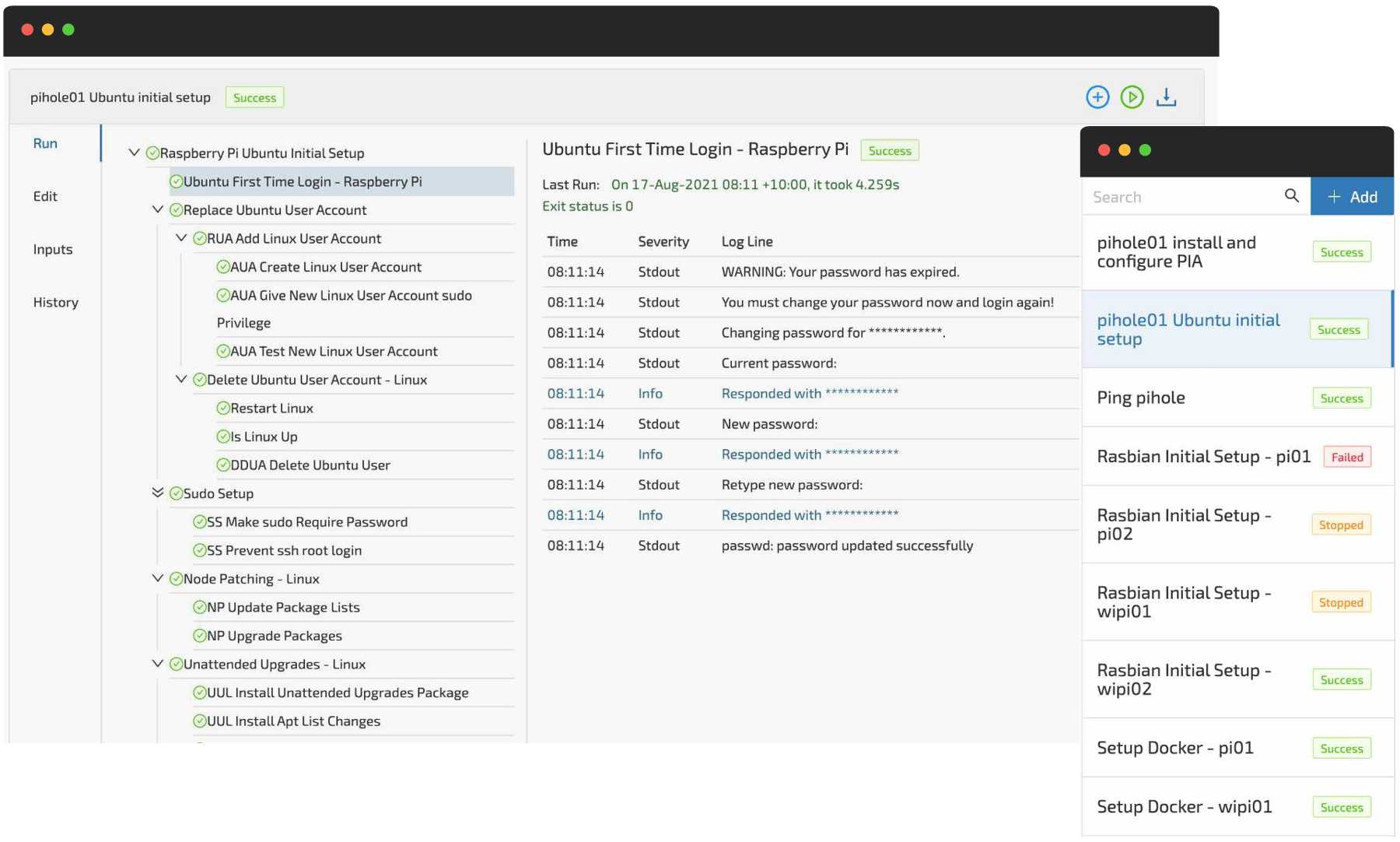
It’s an agentless solution that connects to operating systems with WinRM and ssh protocols. The steps in the automated processes are written in the popular shell scripting languages such as PowerShell and bash.
Why use Attune?
Automate your scripts, commands, and processes exactly as they would be manually typed into a device.
One of the major benefits is that you can save time by automating tasks that would otherwise need to be performed manually.
Attune is easy to adopt and get a fast return on investment. automate scripts, commands, and processes exactly as they would be manually typed into a device.
In addition, automating tasks can help improve efficiency and accuracy, as well as freeing up your valuable time so that you can focus on other tasks.
How can I get started with using Attune?
Attune has a Community Edition available.
Download the Community Edition through our website and follow our demonstration video’s.
Start using AttuneOps’s Attune RIGHT NOW, it’s quick and easy to get started.
Once you have a good understanding of how it works, you can start experimenting with different ways to automate your tasks.
There also are many online resources available that can help you get started, including tutorials, how-to guides, and FAQs.
Conclusion
By automating your IT operations, you can free up your time so that you can focus on more important tasks . Implementing automation doesn’t have to be difficult or expensive – Attune has a Community Edition that can be downloaded. So what are you waiting for? Start automating today!
Do you have any experience with automating your IT Operations? Let us know in the comments below.

Comments